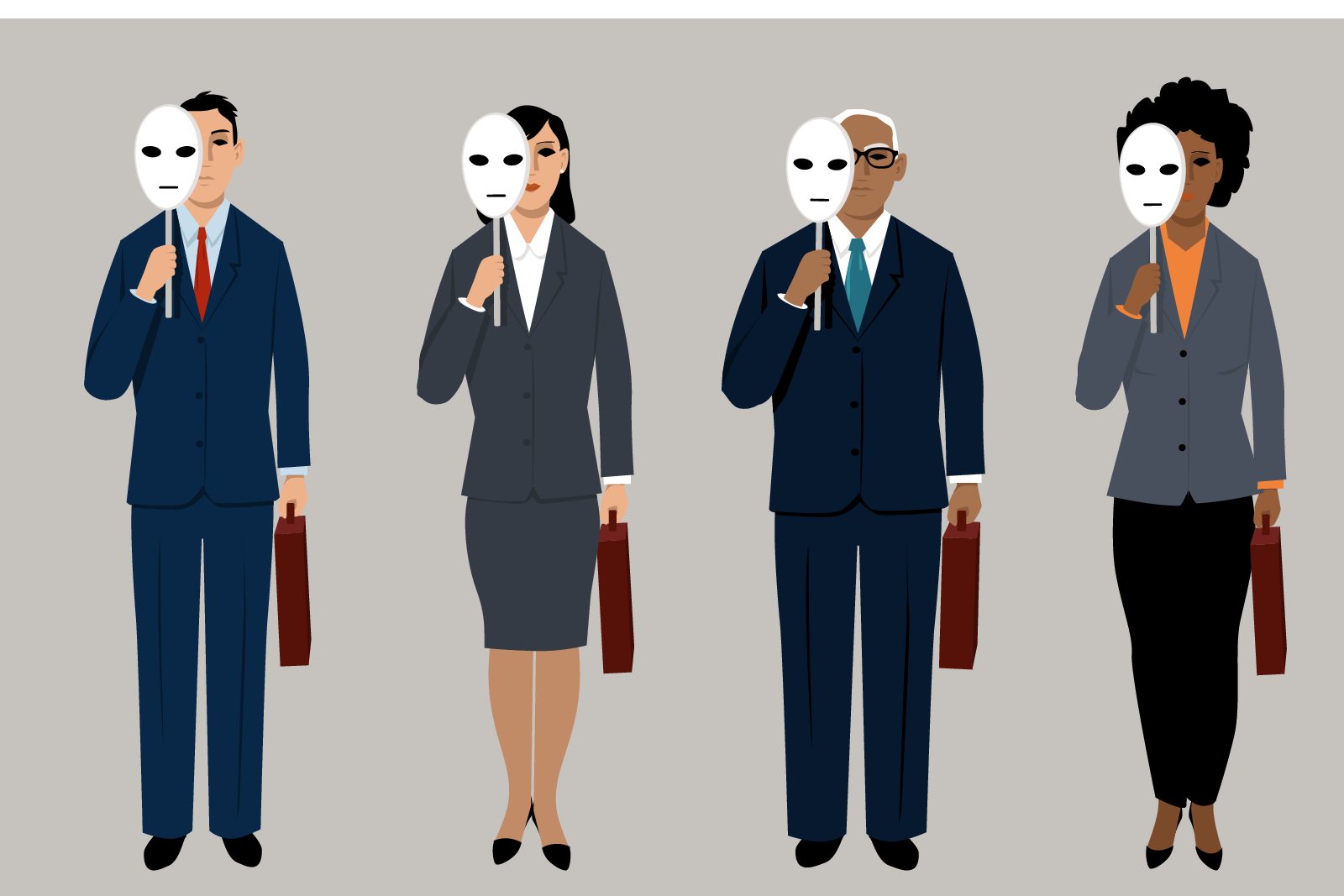
As humans, we inherently operate with bias. It’s a tool that allows us to quickly sort through information and understand the world around us. So it’s only natural that it works its way into the hiring process and the workplace. And that’s where the trouble starts. I talked with Melissa Dobbins, co-founder of Career.Place, to learn more about bias, how her company removes bias from the hiring process and ways we can all make our workplace a little less biased.
What’s bias?
We started by defining bias—and it turns out, it’s complicated. Of course, there are the more obvious ones, like bias against demographics protected by law, such as gender bias, race bias, ageism, disability, even veteran status. As Melissa explains, “Bias is a lot bigger than that. It’s not really a bucket as much as bias is anything that distracts you from what matters. For example, you’re looking at a bunch of people that are potential hires, and one of them went to your alma mater. You put that resume in the pile because, Go Trojans.” That’s bias too.
Why it matters
So why is bias coming up so much now? There are a few reasons. Current politics, access to data, diversity in the workforce. But most importantly, Melissa explains, “There’s awareness that having people from different backgrounds isn’t just the right thing to do from a social standpoint. It’s also the right thing to do from a business standpoint.” The more diverse the group, the more companies can resonate with customers, the more successful the company.
Small actions, big consequences
While bias is so inherent to the way we move through the world, there are ways to combat it. Even something as innocuous as seating a candidate with their back to the door can have consequences. As Melissa explains, “If that candidate is a veteran or had a previous job in law enforcement where they’re trained never to have their back to the door, that increases anxiety. So you’ve now created an unfair and less inclusive environment for those individuals simply because of where the chair is. The solution is easy. You move the chair, and you’ve created a more inclusive environment.” There’s no blanket solution for every type of person, but by considering all the possibilities and making adjustments where we can, we can make the hiring process better for everyone.
Want more?
Visit career.place to get more tips, learn more about unbiased hiring and get the information you need to start removing bias, increasing diversity, and being inclusive in your workplace.
Hiring Without the Bias